Skip to content
CORE PORTAL
ENTH
Side view of an older woman’s cheek and jawline in natural light

What Is Facelift Surgery?

Face Lift Surgery lifts tissue beneath the skin and removes excess skin to address sagging cheeks and a less defined jawline. If loose skin under your chin or along your neck also bothers you, your surgeon can assess whether a neck lift would help.

What Would You Like to Change?

Look at your face from the front and the side. Show the surgeon what you notice. Is it loose skin along the jaw, fullness below the chin or a hollow in one cheek? A cheek can look hollow as it loses volume, so ask how much of the change comes from volume loss and how much comes from sagging. Fine lines around the mouth and uneven skin tone often remain after a facelift. Ask, “Which of the changes I see in the mirror would this operation address?”

What Do Facelift Terms Mean?

A name can describe the extent of an operation, a layer of tissue or the way the surgeon reaches it. That is why you may hear more than one term during a consultation. Ask the surgeon to show you where they plan to operate and how that relates to the change you want.

TermWhat it describesWhat to ask
Mini faceliftUsually describes an operation with a limited scope. It may use shorter incisions. The areas treated vary between surgical plans.Which parts of my lower cheeks, jawline or under-chin area would this cover? Where would the scars be?
SMASA layer of connective tissue and muscle beneath the skin that helps support the face. A surgeon may tighten it with stitches or lift and reposition it.How would you adjust this layer in my case, and what change could I expect along my jaw?
Deep planeThe surgeon works beneath the SMAS in selected areas so that the skin and the tissue above that plane can be lifted together.Why do you recommend this approach for my concern? How do its risks and limitations compare with my other options?
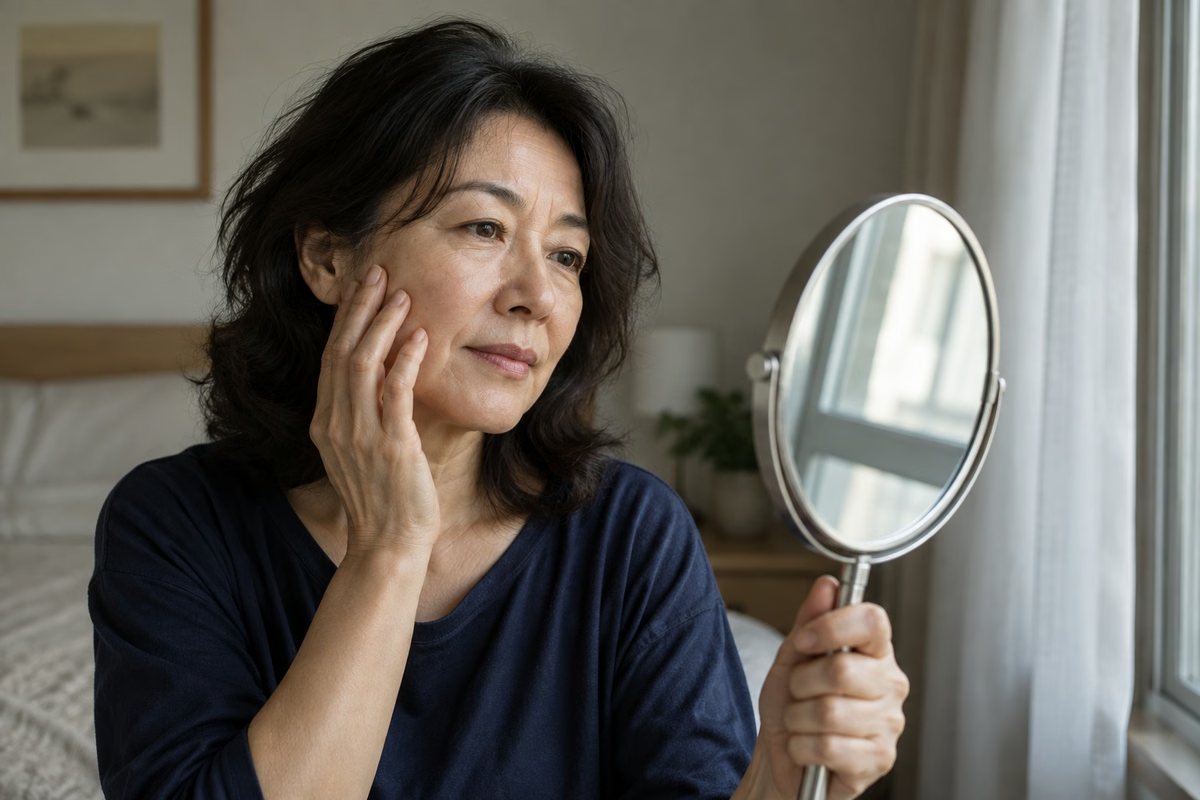
Woman looking at her cheek and jawline in a mirror
Describe what you notice in your own words. For example, “From the side, my jawline looks less distinct than it used to.”
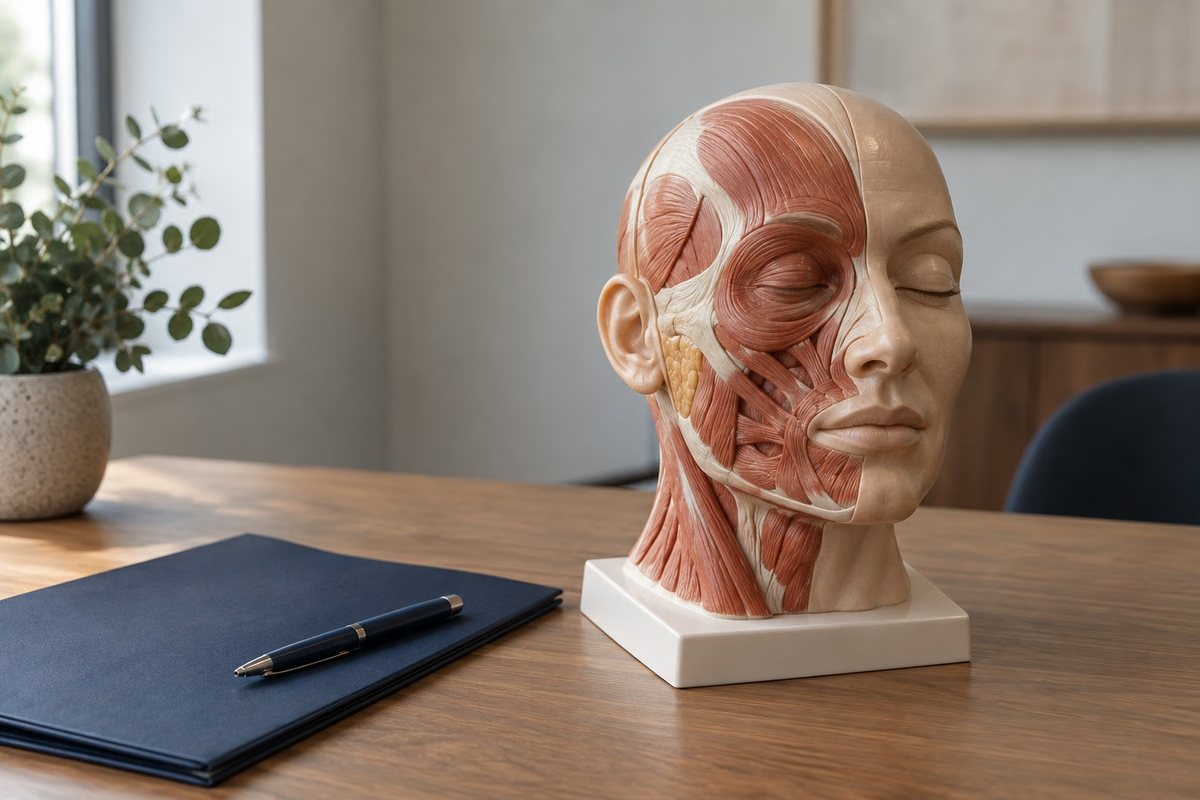
Model showing the muscles on one side of the face and neck
Ask the surgeon to point out the tissue on a model, then show you where that corresponds to the area on your face that concerns you.

What to Bring to Your Consultation

Write down your medical conditions and any medicines you have reacted to, including what happened. Tell the surgeon about problems during or after a previous operation or anaesthetic, and whether you smoke now or used to smoke. If you have had facial fillers, a thread lift or facial surgery, note the area treated and roughly when.


Hands sorting tablets into a pill organiser beside medicine bottles
List the name, dose and frequency of each medicine, including occasional medicines, over-the-counter products, herbs and supplements. If you are unsure of a name or dose, bring the packaging or a clear photo of the label.
Woman writing questions in a notebook at a table
Write down questions that matter in daily life. If you wear your hair up or keep it short, ask where the incisions would be and which scars might show with your usual hairstyle.

If you take an anticoagulant or antiplatelet medicine, tell the surgical team what you take and who prescribed it. The two teams can plan how to manage it before and after surgery. Do not stop it or change the dose on your own.

Check the Surgeon and the Facility

Who Will Operate?

Ask for the full name of the surgeon who would operate. In Thailand, use the Medical Council of Thailand’s doctor register to check their licence status and whether the council recognises their specialist qualification in plastic surgery. Match the licence number if you have it. Ask about their experience with patients who had similar concerns about their cheeks or jawline.

Where Will You Have Surgery?

Get the name and address of the operating facility, which may differ from the consultation clinic. For a private facility in Thailand, check the name and location against the Department of Health Service Support’s register of licensed facilities. Ask who will provide the anaesthetic, where follow-up visits will take place and how to reach the team after hours.

When looking at before-and-after photos, compare pictures of the same person taken in similar lighting and with the head at a similar angle. Ask how long after surgery the second photo was taken and whether the person had another procedure at the same time. Then ask what changes the surgeon would reasonably expect for your own face.

Compare Costs Before You Book

Before paying a deposit, ask for a written quote that identifies the areas to be treated. Check which surgeon, anaesthesia, operating room, medicine and follow-up fees it includes. Two quotes labelled “facelift” may cover different operations and different parts of your care.

Lower Facelift

If the quote covers the lower cheeks and jawline and your main concern is under your chin, ask what change the proposed surgery could make there. Check whether the quote covers preoperative tests, wound checks and stitch removal.

Facelift and Neck Lift

Ask which parts of the face and neck the quote covers. If the surgeon recommends an overnight stay, check how many nights are included, what an extra night would cost and how many follow-up appointments the fee covers.

Mark each item included, extra or unspecified. Ask for written clarification before paying a deposit, especially about unscheduled visits and treatment for complications. If the facility cannot give an exact figure, ask when an additional charge would apply and how it would be calculated.

Plan Your Recovery and Follow-Up

Your First Night at Home

If the team plans to discharge you on the day of surgery, arrange for an adult to take you home and stay with you that night. Before leaving, make sure you understand how to care for the wounds and take your medicines. Write down the first appointment date and the number to call after hours.

Returning to Work and Travel

Tell the surgeon if your work involves driving, lifting or meeting clients. Ask when you can resume each activity. Avoid driving while taking pain medicine that makes you drowsy. If you have a long journey home, ask when you can travel and whether to stay nearby until your first wound check.

Early appointments are for checking wound healing, swelling and bruising. While swelling settles, the outline of your cheeks and jaw can still change. Ask when a later visit would give you and the surgeon a clearer view of the result.

Risks and When to Get Help

Discuss the risks of blood collecting under the skin (a haematoma), infection, delayed healing, noticeable scarring and changes in skin sensation. Injury to a nerve that controls facial muscles can reduce movement in part of the face. Ask whether your medical history, medicines or previous treatments affect your individual risk.

Call 1669 in Thailand if you have difficulty breathing or chest pain after surgery. Call emergency services yourself, or have someone with you call. Do not wait for a callback from the surgical team.

Contact the surgical team immediately if your face or neck swells rapidly, especially on one side, or if you develop severe or worsening pain, fever, spreading redness around a wound or pus. Report these symptoms as soon as they appear.

Facelift Surgery FAQs

At what age should I seek advice?

There is no single age that suits everyone. If your lower cheeks or jawline concern you, you can book a consultation even if you are still deciding about surgery. The surgeon will consider the area you want to change, your skin, your overall health and what you hope to achieve.

How long do facelift results last?

Changes may remain visible for years, but the face and neck continue to age. How long a change is noticeable varies between people and between areas of the face. If your main concern is your jawline, ask what the proposed procedure is likely to achieve there over time.

Will I need a general anaesthetic?

Some facelifts use local anaesthetic with sedation, while others use general anaesthesia. Ask why the team recommends a particular option for your operation and health, who will look after you during surgery and where you will be monitored afterwards.

Do I need a neck lift as well?

A neck lift is not necessary for everyone. If both your jawline and loose skin under your chin concern you, ask what the facelift alone would address. If a neck lift is proposed, discuss the additional change you might see and how it would affect the incisions, recovery and cost.

Can I get a second opinion?

Yes. If the plan or its risks are unclear, you can consult another surgeon before deciding. Take the first plan and your outstanding questions with you. Compare which areas each surgeon would treat, why they recommend that approach and what result they think is realistic.