What Is an Automated Warehouse?
Compare storage, picking and transport systems, work out peak picking capacity and test a supplier’s proposal against real orders.
An automated warehouse uses software to direct machines that store, move or pick goods. A warehouse can automate a single task. For example, a crane can retrieve a pallet from a high rack while staff check the goods before dispatch.
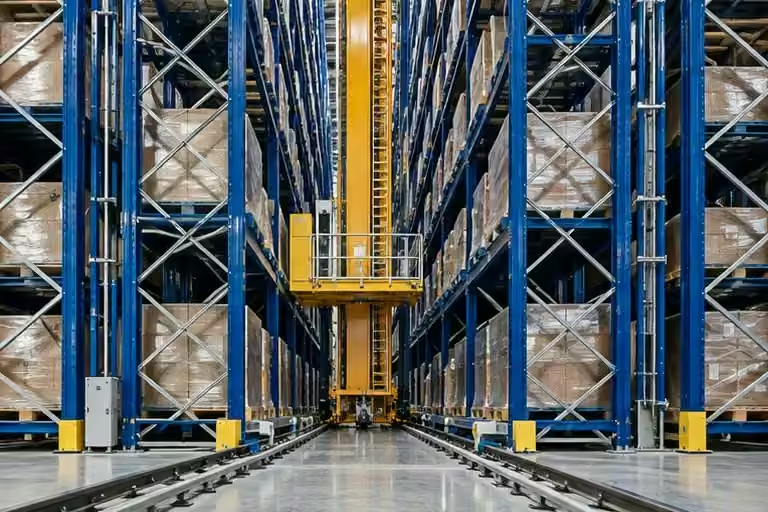
At receiving, staff check item codes, quantities and condition, then record which goods are on each pallet in the warehouse management system (WMS). Once the equipment puts a pallet away, its control system confirms the storage location to the WMS. For an outbound order, the WMS identifies the lot and location to pick from. A full pallet can go straight to dispatch staging. If the order calls for just three units, the picker confirms the quantity picked and checks the remaining stock. Once the pallet is back in storage, the system records its actual location. Two warehouses with the same pallet capacity can therefore need different equipment.
Start with the unit you handle: a pallet, a carton or an individual item. Then find where work queues up. If carts line up at packing every afternoon, measure how long cartons wait separately from the time staff spend packing them. That tells you whether to change the transport route or increase packing capacity.
| System | Best fit | What to test |
|---|---|---|
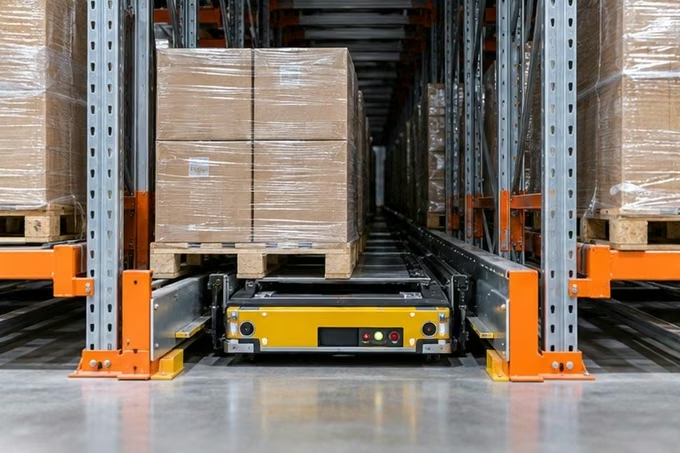
| Pallet AS/RS | An automated storage and retrieval system (AS/RS) uses cranes or shuttles to store and retrieve full pallets, making use of rack height. | Check pallet dimensions, weight and base condition. Run inbound and outbound work together and measure putaways and retrievals separately in pallets per hour. |
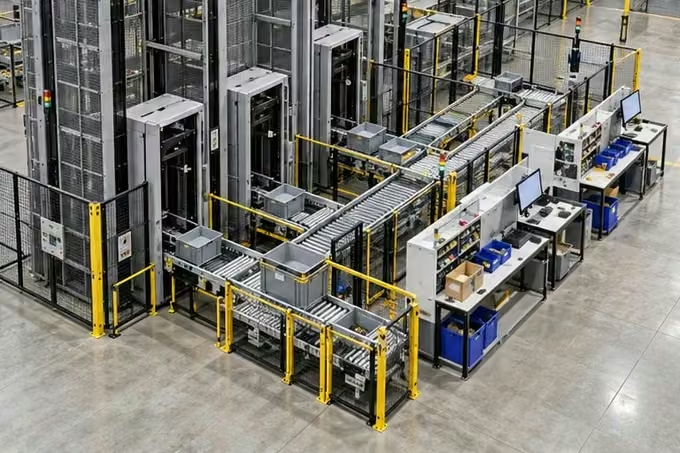
| Goods-to-person picking | A system brings storage totes to a workstation so a picker can fill orders for individual items across several stock codes. | Use real multi-line orders. Measure the wait for each tote separately from picking time, and check whether replenishment leaves the station waiting. |
| Conveyors and sorters | Conveyors carry cartons along regular routes. Sorters divert them to packing stations or dispatch lanes according to destination. | Try cartons of different sizes and weights, including one with an unreadable barcode. Check where it goes, who resolves the exception and how it re-enters the flow. |
| Autonomous mobile robots (AMRs) | AMRs move goods from multiple pick points to packing when pickup and delivery routes vary by task. | Have warehouse and installation teams assess crossings and blind spots on routes shared with people or forklifts. Test under the site safety plan. Count completed trips per hour, including time spent waiting at handoff and charging points. |
Give the design team a receipt and issue history with item codes, quantities, units of measure and timestamps, plus dated stock snapshots to show when inventory peaks. Compare normal and busy days: which items move most often, in what quantities, and how does demand build before each truck leaves? Measure the weight and dimensions of goods as stored, including packed cartons or fully loaded, wrapped pallets. Flag expiry dates, fragile goods and returns that need a separate inspection area. On the building plan, mark columns, doors, handoff points and staging space. Record the clear height to the lowest beam or obstruction in each zone so the team can assess usable rack height.
One order can contain several order lines, and a line can call for several units. To size picking capacity, count the lines due within the time available to pick them. At packing, count the orders or cartons that must be ready for the same truck.
Give each supplier the same layout, order set and truck schedule. Separate one-time costs such as equipment, building and electrical work, software integration and training from annual software and maintenance charges. Compare totals over the same number of years. For labour savings, ask which expense will actually fall and how many staff hours replenishment, order exceptions and equipment care will still require.
Yes. Start with a task such as moving cartons from picking to packing. Before the trial, measure cartons moved per hour and the wait at the packing bench. Repeat the measurements at a comparable workload. If transport speeds up but the packing queue grows, investigate packing before adding transport equipment. Expand once the trial shows that more orders reach dispatch in time for their truck, in line with your target.
Yes, if your WMS can exchange commands and confirmations with the equipment control system and record the results correctly. Ask both teams to demonstrate one pick from instruction to confirmed quantity. In a test environment, send the same pick confirmation twice. The picked quantity should still match the goods, with just one stock movement recorded for that event. Locate any gap in the WMS or its interface before deciding on a replacement.
When annual net savings are fairly steady, divide the initial investment by annual net savings. For example, a THB 3 million investment that saves THB 900,000 per year but adds THB 300,000 in annual software, energy and maintenance costs yields THB 600,000 in net annual savings. Simple payback is five years. If the first year includes a ramp-up, estimate each year separately and add the net savings until they cover the investment. If they fall short over the period assessed, payback has not occurred within that period.

Compare storage, picking and transport systems, work out peak picking capacity and test a supplier’s proposal against real orders.

Compare SEO proposals on a common scope and use enquiries or sales to check business outcomes.

What a facelift can change, which questions to take to a consultation, and how to compare costs and plan your recovery.
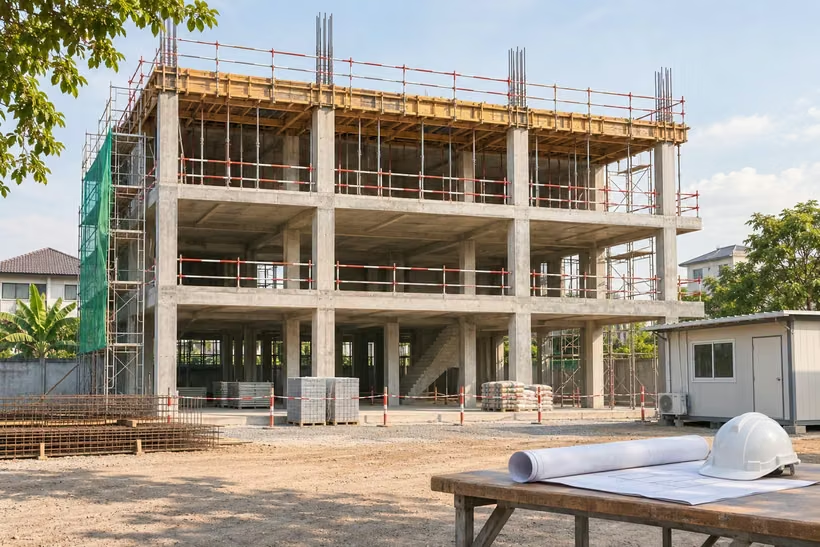
Compare bids on the same scope, agree on payment milestones and inspect the work before handover.
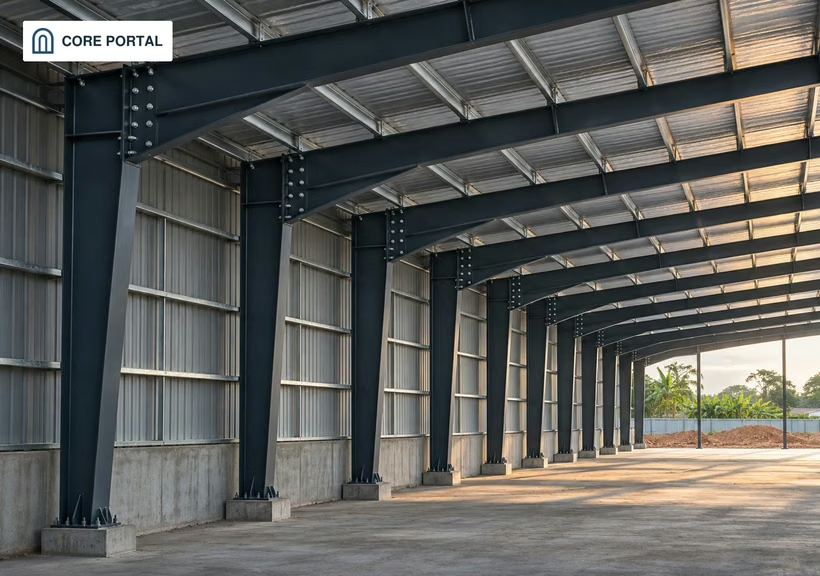
Compare frame layouts, working heights and quote inclusions before ordering steelwork for a factory or warehouse.
Solar options for businesses, with practical points to compare before requesting a proposal.