Skip to content
CORE PORTAL
ENTH
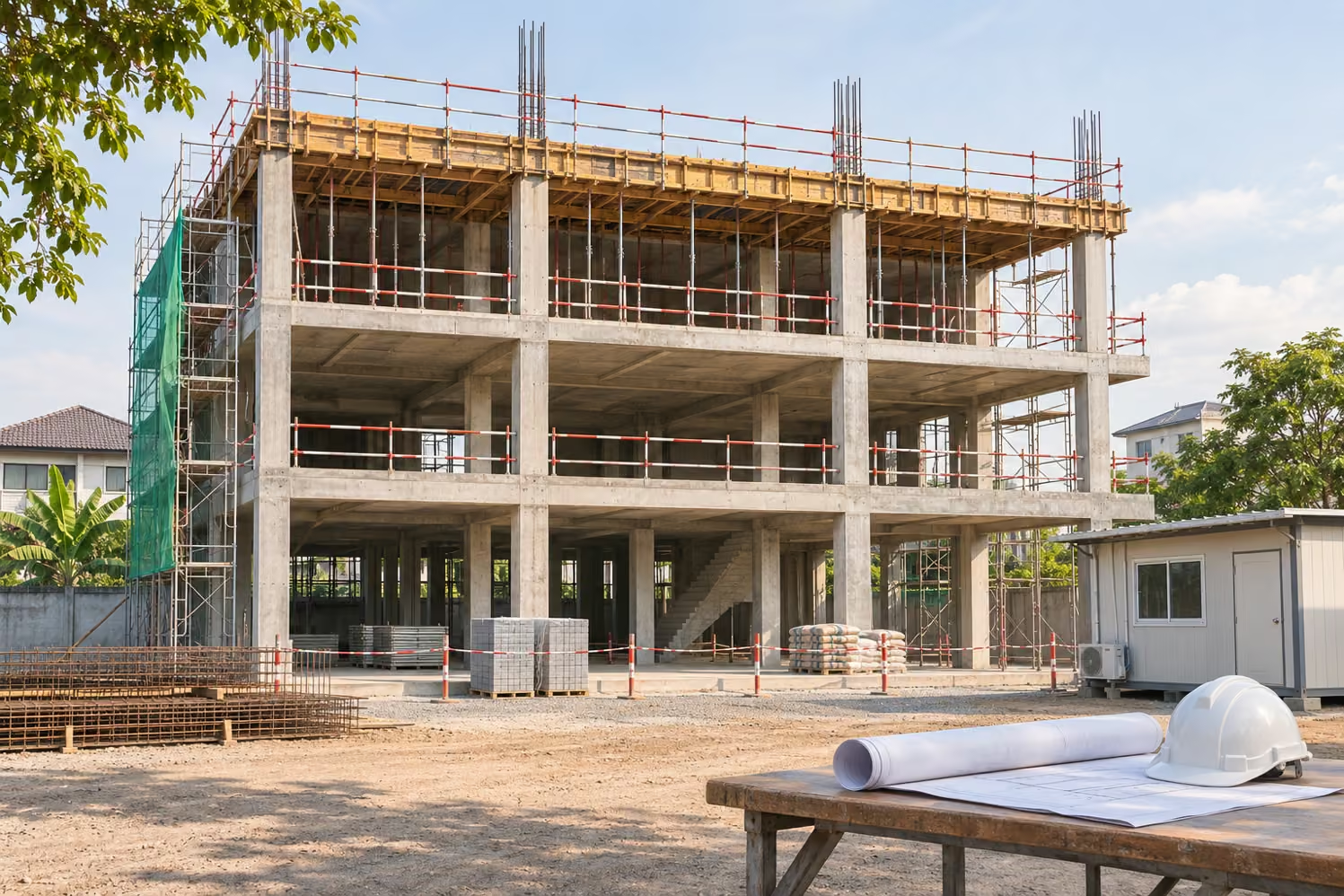
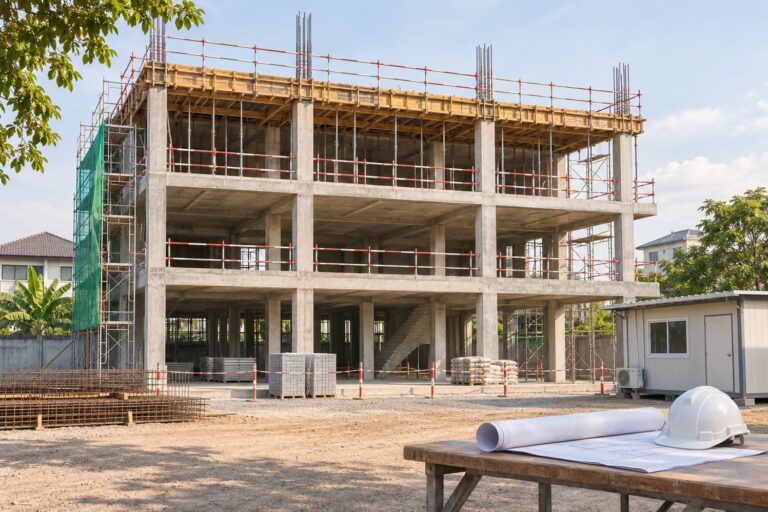
Three-storey concrete building frame under construction

What Is Construction Contracting?

In a construction contract, a contractor agrees to build and hand over a home or other building for an agreed price, to a defined scope and schedule. Before requesting quotes, establish who prepares the drawings, who buys the materials and what work you will inspect before each payment.

Who Designs and Who Builds?

Decide whether you will supply construction drawings or hire one team to design and build. If drawings are ready, send the same revision to every bidder. If you have only a preliminary layout, ask for separate design and construction fees. Identify provisional figures, such as a foundation estimate that depends on the ground investigation.

Building to Your Drawings

You provide the drawings and specifications. The contractor prices and builds from those documents. Suppose an air duct would hang below the specified ceiling. The contractor should flag the clash for the designer and obtain approval for the revised detail and any price change before proceeding.

Design and Build

Tell the design-and-build team how many people will use the building, how much space you need, your budget and when you need to move in. Agree when you will sign off the layout and confirm material choices and prices before the team places orders.

What to Send With a Quote Request

Give each bidder the same drawings and materials list. If you have a bill of quantities (BOQ), keep the items, quantities and units identical and ask each bidder to enter a unit rate and line total. If you buy the tiles, specify who pays to carry them upstairs, who supplies the adhesive and whether the quote includes laying them. Include truck access, storage space and permitted working hours so bidders can price the actual site conditions.

Architectural model resting on construction drawings
Mark the areas included in the work on the floor plan. Attach the detail drawings that show the dimensions and materials the contractor needs to price.
Finish samples beside a model of a house floor plan
Give each material sample a code that matches the quote request. Record its model, colour and size so you can check deliveries against the selection.

Compare Bids on the Same Scope

Ask each bidder to separate included work, priced extras and items awaiting information. For a material allowance, check whether it is already in the total and how the price will go up or down once you choose a product. Compare totals once each bid covers the same work.

ItemWhat to CompareWhat to Ask
Drawings and quantitiesDrawing number and revision, quantities and units of measurement.Which drawing revision did you use? How many square metres of tiling did you allow for? If the quantity differs from the BOQ, by how much and in which rooms?
Materials and labourModels, quantities, fittings, delivery and installation.Which bathroom fixtures and how many sets are included? Does the price cover the fittings, delivery and installation?
Temporary works and reinstatementSite fencing, temporary water and electricity, waste removal and repairs to the access route.Who pays for water and electricity during construction? Does the price include taking waste off site? Which parts of the entrance will you reinstate?
Price and handover termsVAT, quote expiry, start date and the work due at handover.Does the total include VAT, and how long is the price valid? What starts the construction period, such as receiving possession of the site? Which areas must be ready for use at handover?

A Worked Bid Comparison

Both bidders use the same drawings and specifications, and both quote before VAT. Bid A starts at THB 2,350,000, which looks THB 90,000 cheaper than Bid B. Add THB 80,000 for electrical work and THB 35,000 for waste removal, and Bid A comes to THB 2,465,000. Bid B includes both items at THB 2,440,000. On the same scope, Bid B is THB 25,000 cheaper. Compare the handover dates and warranty terms before deciding.

Choose a Contractor for Your Site

Ask to see a project with constraints like yours and establish which work the bidder actually delivered. Find out who will run your site and what that person can approve. For a shop that must stay open, ask how the team will separate work areas, contain dust and return the first sales area to use. For a new building, request the sequence from foundations to systems testing. If a previous owner is willing to speak, ask whether any work fell behind and, if it did, when the team told them and how it responded.

Agree on Payments and Changes

Define what earns each payment. For ground-floor walls, is the milestone reached when the masonry is up, the plaster is finished or the paint is complete? Before concealing water pipes above a ceiling, inspect or test them as agreed and record their locations and results. For a material change, record the old and new selections, quantity and effect on handover. Upgrading 40 square metres of tile by THB 180 per square metre adds THB 7,200 in materials. List any additional labour or removal costs separately and approve the price and schedule before the work proceeds. If you omit tiling in one room, record the area and value, agree how to treat materials already ordered and confirm the net deduction before the next payment.

Inspect the Work Before Handover

  1. Walk through each room. Check completed work against the approved drawings and materials list. Locate and describe each issue precisely, for example, “Second-floor meeting room: the left door leaf sticks when it opens.” Add a photo, the inspection date, the person responsible, the correction deadline and the reinspection date.
  2. Test the systems together. Ask the person responsible for each system to test it with you using the agreed method. For example, run the agreed taps together to check the water supply, or wet the bathroom floor to see whether water reaches the drain or pools. Record the results and mark anything that needs another test.
  3. Collect the records and sign off corrections. Check the as-built drawings, equipment manuals and warranties against the agreed list. Note when cover starts and whom to contact for repairs. At reinspection, distinguish corrected items from outstanding work before agreeing the payment due under the contract.

Construction Contracting FAQs

Who buys materials on a labour-only job?

The owner generally buys the main materials and the contractor prices the agreed labour. Before asking for quotes, assign responsibility for measuring quantities, placing orders and getting materials to the work area. If the contractor supplies an item such as tile adhesive, ask whether its price and delivery are included.

Can I get a price from early plans?

You can request a budget estimate. Share the drawings available, floor area, building use, material quality and site constraints. Ask what assumptions underpin the figure and which items still need details. Request an updated quote once the drawings and quantities are ready, before engaging the contractor.

When can I compare prices per m²?

Check both the area used in the calculation and the work included in the price. Does each bidder count terraces and parking areas? Do both include foundations and building services? If the bids use different assumptions, align the scope first, then divide each revised price by the same floor area.

How many payments should I plan for?

The number depends on the sequence and duration of the work. For each milestone, ask what must be complete, how it will be inspected, how much falls due and how much you will have paid in total. For a materials advance, identify the items, proof of order and the payment from which the advance will be deducted.

What if work is still unfinished?

Walk the site together. Separate unfinished work from completed work that needs correction. For each item, record the location, task, responsible person, deadline and reinspection date. Record which areas you accept, which remain open and how payment will be calculated under the agreed terms.